The negotiation documents on Karabakh recently published by the Armenian government have sparked intense interest among Azerbaijani experts and the public. Although this is now, of course, history – it remains very recent history.
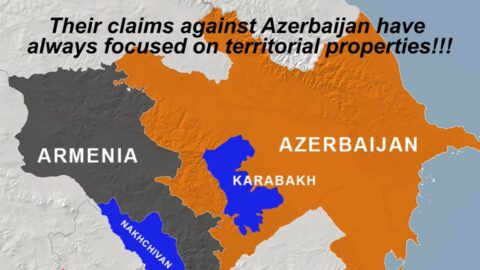
Undoubtedly, the most discussed part is the mention of the idea of a territorial exchange: Karabakh in return for western Zangezur and Meghri.
First, as is well known, this idea was initially voiced back in the early 1990s by Paul Goble, then U.S. Deputy Assistant Secretary of State.
Second, everyone today understands that these proposals were discussed at a time when 20% of Azerbaijan’s territory remained under occupation. Consequently, they have simply lost their political and “diplomatic” relevance.
But that’s not what matters most!
Diplomacy has always involved maneuvering, probing, and indirect actions. Heydar Aliyev – the national leader of Azerbaijan – a masterful and seasoned statesman and diplomat, employed this toolkit with exceptional skill. This approach enabled Azerbaijan to test the limits of Armenia’s flexibility – or rather, its inflexibility – and to probe Yerevan’s stance.
Thanks to this strategy, Azerbaijan succeeded in marginalizing the representatives of the Khankendi occupation regime from the negotiation process and, most importantly, brought the issue of the blockade of Nakhchivan to the forefront.
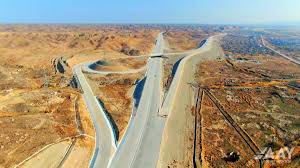
Recall how unexpectedly the provision on opening the Zangezur Corridor appeared in the trilateral statement of November 10, 2020? That was a direct result of those brilliant diplomatic maneuvers!
At the time, Azerbaijan operated under extremely unfavorable conditions: most of the options under discussion offered no genuine benefit to the country.
Proposals from the OSCE Minsk Group and other mediators failed to align with the “legal framework” of the Karabakh settlement – namely, the internationally recognized borders of Azerbaijan (which include Karabakh) and UN Security Council resolutions explicitly demanding the withdrawal of Armenian forces.
So why didn’t Baku walk away from the negotiating table?
There were several reasons:
• Membership in the international community entails adhering to established rules of engagement.
• The risk of negative consequences, including potential sanctions.
• The necessity of making the most of available opportunities.
Azerbaijan has always been – and remains – a firm supporter of international law, territorial integrity, and the inviolability of borders.
The country actively pursued the adoption of numerous resolutions condemning Armenian aggression and reaffirming Azerbaijan’s territorial integrity – from the OSCE to the Organization of Islamic Cooperation (OIC) and the Non-Aligned Movement.
It was precisely this diplomatic strategy – laid down during the presidency of National Leader Heydar Aliyev – that enabled Azerbaijan to:
• Prepare the diplomatic groundwork for a military solution, and
• Consolidate its military victory through diplomatic channels.
The roots of today’s successes trace directly back to that challenging period – and this must be taken into account when evaluating the events of those years.